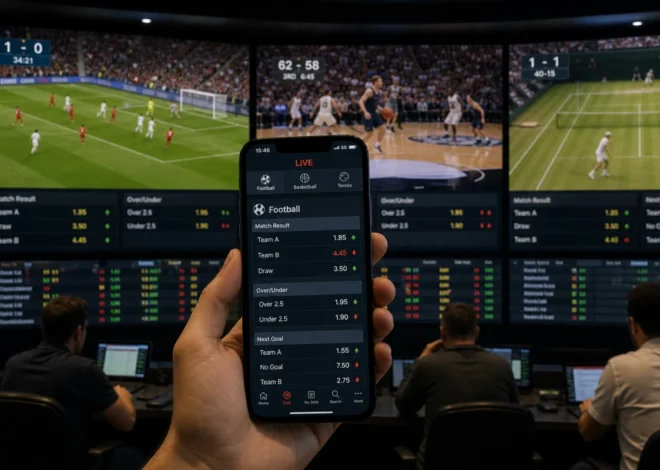

Compare Sports Betting Odds: Find the Best Prices in Real Time
Why comparing betting odds should be part of your routine
You might think all sportsbooks offer similar prices on the same event, but small differences in odds add up quickly. By comparing odds across bookmakers in real time, you ensure you’re getting the best possible return on each stake and reducing long-term losses from poor pricing. This matters whether you’re placing single bets, building parlays, or managing a staking plan.
Real-time comparison also helps you act on market inefficiencies. Odds move as money flows and information surfaces—injury updates, lineup changes, weather or late money from sharp bettors. If you’re monitoring prices as they update, you can identify opportunities where a bookmaker lags behind the market and lock in superior value.
How real-time odds comparison gives you a practical edge
To put the advantage into practice, you need to understand how odds are presented and why they differ. Two quick points to keep in mind:
- Small percentage differences affect expected value: a 1–2% edge on many bets compounds into a meaningful advantage over time.
- Speed matters: the best price at kickoff can change in seconds, so comparing odds in real time matters more than checking them hours beforehand.
Common odds formats and how to interpret them
Bookmakers display odds in different formats—decimal, fractional, and moneyline (American). You should be comfortable converting between them so you can compare prices instantly:
- Decimal (e.g., 2.50): total payout per unit staked, including your stake. Easy for calculating returns.
- Fractional (e.g., 6/4): traditional UK format showing profit relative to stake; convert to decimal for quick math.
- Moneyline (e.g., +150 / -120): common in the US; positive indicates underdog payout, negative shows favorite’s stake needed for a $100 return.
Why bookmakers’ prices differ and where value appears
Understanding the causes of price differences helps you spot value faster. Typical reasons include:
- Risk management: bookmakers adjust lines to balance liability rather than reflect pure probability.
- Information asymmetry: some books receive news or staking trends earlier and update odds before others.
- Promotions and limits: smaller operators may post inflated prices to attract new customers or cap sharp action.
When you combine format fluency with an awareness of why lines diverge, you’ll be better positioned to identify positive expected value opportunities and avoid poor prices.
Next, you’ll learn which tools to use for live odds comparison and a step-by-step process to capture the best prices as markets move.
Essential tools for live odds comparison
To compare odds effectively in real time you need the right toolkit. Not all tools are equal—choose ones that match your speed needs, market coverage and device setup. Core options to consider:
- Odds aggregators and comparison sites: These display prices from dozens of bookmakers side-by-side and are the quickest way to spot the best market price. Look for sites with short refresh intervals and a clear display of market commissions.
- Dedicated mobile apps: Many aggregators and betting exchanges offer apps with push alerts. For in-play betting, an app with millisecond-level updates and low battery/network use is invaluable.
- Browser extensions and widgets: If you place many bets from a desktop, extensions that overlay best prices or flag value directly on bookmaker pages can save seconds and reduce browsing friction.
- APIs and data feeds: Advanced bettors or quantitative players can subscribe to paid feeds or APIs to pull live odds into a custom dashboard, spreadsheet, or automated model.
- Line history and market depth tools: Tools that show how odds moved over time and the liquidity (limits) available at each price help you decide whether the best price is practical to take.
- Alert systems: Configure email, SMS, Telegram or app push alerts for pre-set value thresholds, sudden line moves, or when a specific book posts an edge.
When evaluating tools, test for latency (how often odds refresh), market coverage (which leagues/bookmakers are included), and accuracy (do displayed odds match the bookmaker’s published price?). Use trial periods where available before committing to paid services.
Step-by-step process to capture the best prices as markets move
Having tools is one thing—using them consistently is another. Follow this practical sequence to maximize the chance of getting the best available price:
- Pre-game setup: Identify markets and lines you’ll watch, set alerts for target odds, and log into the bookmaker accounts you plan to use. Pre-fund accounts to avoid deposit delays.
- Monitor early movers: In the hours leading up to the event watch where sharp money flows and which books adjust first. If a market moves in your favor, take it—don’t wait for everyone else to catch up.
- Use alerts and auto-refresh: Rely on your alerts for large moves; keep comparison tools refreshing at a cadence that balances speed and stability (too fast can create errors; too slow loses opportunities).
- Quick EV check: Convert the best odds to implied probability, subtract bookmaker margin, and compare to your model or edge threshold. If EV is positive based on your criteria, proceed.
- Place the bet efficiently: Enter the stake and submit immediately. On slow bookmakers, consider smaller stakes if you suspect price rejections or limits.
- Record and verify: Log the odds, stake, and bookmaker. Confirm the bet accepted at the price you saw—if it’s voided or adjusted, note it for future pattern recognition.
- In-play adjustments: For live wagers, keep an eye on game-state data (injuries, momentum shifts) and be prepared to hedge or cash out if the market swings beyond your risk tolerance.
Practical tips for execution and avoiding common pitfalls
Small operational choices separate consistent winners from frustrated bettors. A few practical rules to follow:
- Maintain multiple funded accounts to capitalize on the best price quickly and avoid limits or rejections.
- Beware of latency—if your connection or tool updates slowly, you’ll frequently chase prices that no longer exist.
- Don’t let promotions distract you: boosted odds can be profitable, but always compare the true market price first.
- Manage stake size relative to the reliability of the price—use smaller stakes on volatile or thinly liquid markets.
- Track every bet. Over time this data shows which books consistently offer the best real prices and which tools are the fastest for the markets you play.
With the right tools, a clear process and disciplined execution you’ll be able to capture better prices more often—turning small edges into measurable gains across your betting portfolio.
Putting it into practice
Take what you’ve learned into the market with a test-and-learn mindset: pick one league or bet type, set up your comparison tools and alerts, and track every wager for a few weeks to see how much value shopping produces for your workflow. Start small so you can refine which aggregators, apps and books are fastest for your markets, and then scale as your confidence and staking plan allow. For a quick way to compare popular markets and get a feel for refresh speed, try a reputable aggregator like OddsChecker.
Frequently Asked Questions
How often should I refresh odds or rely on alerts?
Use alerts for large moves or specific thresholds and set auto-refresh at a cadence that balances speed with stability (many bettors use 5–15 second refresh for pre-game and faster for in-play if the tool is reliable). Relying solely on manual refresh is riskier—combine push alerts with a short auto-refresh interval for the markets you actively trade.
Can simply shopping for odds make betting profitable?
Shopping for odds improves your expected value and compounds better returns over time, but it isn’t a standalone profit strategy. Combine price shopping with sound staking, discipline, multiple funded accounts and careful record-keeping to turn small edges into measurable gains.
Are odds aggregators and comparison tools accurate and safe to use?
Most reputable aggregators are accurate, but latency and coverage vary. Always verify the displayed price against the bookmaker before staking, especially for in-play bets. Use well-known services, review their refresh intervals and privacy policies, and consider paid data feeds or APIs if you need professional-grade reliability.

Related Posts
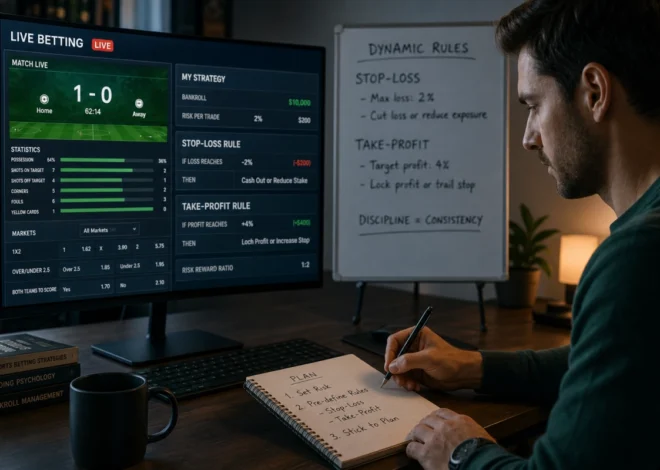
A practical guide to pre-defining and applying dynamic stop-loss and take-profit rules for live betting bankroll management
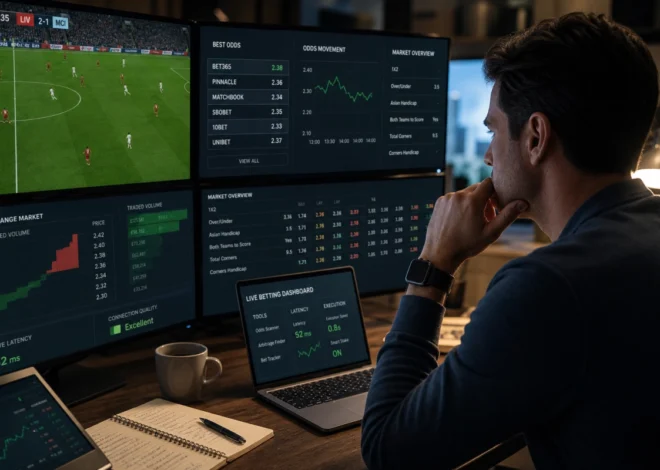
How to find the best live betting odds in-play: tools, latency and smart execution