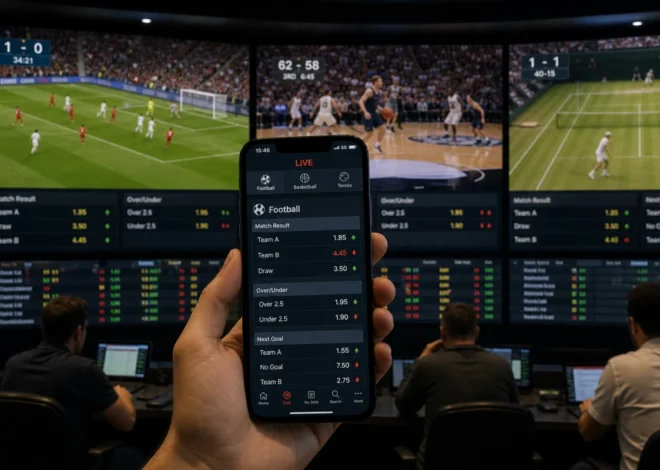

Live Betting Odds Today: Where to Find the Best Live Odds Now
Why real-time live betting odds change the way you place wagers
When you place a bet during an event, you’re not working with a static price — you’re competing against shifting probability. Live betting odds reflect the immediate state of play, so understanding how and why those numbers move helps you spot value, manage risk, and act quickly. You’ll benefit from knowing the mechanics behind the odds and the practical implications for bankroll management and market timing.
How live odds can improve your edge
You can use live markets to:
- Exploit short-term mispricings after unexpected game events (e.g., red cards, injuries, momentum shifts).
- Hedge pre-game positions or lock in profit when lines swing in your favor.
- Take advantage of micro-markets (next goal, next point, next set) where oddsmakers may be slower to react.
But to capitalize, you need fast access to updated prices and a clear plan for when to strike.
Common pitfalls when trading live odds
Live betting presents unique risks. You’ll face:
- Latency: delays between the event, your screen and the bookmaker’s feed can turn a perceived opportunity into a costly mistake.
- Wider margins: bookmakers often increase their edge in-play to offset volatility, reducing long-term expected value.
- Emotional betting: quick swings can tempt you into impulsive stakes without value-based reasoning.
Recognizing these pitfalls helps you set realistic expectations and prepare a disciplined live-betting strategy.
How live betting odds are generated, updated and presented to you
Live odds are the output of automated systems fed by real-time data. Bookmakers use a mix of algorithms, feed providers, and human traders to keep markets responsive. You should understand the main components so you can judge which providers will give you the best experience.
Key inputs that drive live odds
- Data feeds: official match stats, optical tracking, and event logs that register goals, fouls, timeouts and other triggers.
- Statistical models: probability engines that translate events and game context into updated win, draw and handicapped probabilities.
- Trader adjustments: manual interventions when volatility or unusual circumstances require human judgment.
Each input affects speed and accuracy. Some sportsbooks prioritize marginally sharper prices, while others prioritize stability and fewer cancellations.
What you should look for on a live betting interface
- Low latency updates and clear timestamps so you know how fresh the price is.
- A wide selection of in-play markets to diversify opportunities across micro-markets.
- Transparent limits, commission/margin indicators, and quick bet acceptance times.
These features determine whether you can act profitably or are fighting the platform instead of the market.
Next, you’ll learn where to find the best live odds now — including which sportsbooks and tools consistently deliver fast feeds, tight lines and the features you need to trade in-play effectively.
Top places to find the sharpest live odds right now
Not all sportsbooks are created equal for in-play trading. If your goal is the best prices and the lowest hidden cost, prioritize venues that combine fast feeds, deep liquidity and sensible limits. Consider these categories and examples:
- Sharp offshore books: Pinnacle is widely respected for tight margins, high limits and minimal betting restrictions — ideal for value hunters. Asian books focused on soccer also often move like the market.
- Exchanges: Betfair Exchange and similar peer-to-peer venues typically deliver better mid-market pricing because you’re matching other users rather than taking a bookmaker margin. Liquidity varies by sport and market, so check traded volume before committing large stakes.
- Mass-market operators with deep in-play catalogs: bet365, William Hill, and (in the U.S.) DraftKings/FanDuel offer extensive micro-markets and live streaming — useful when you need a wide selection and visual confirmation of events.
- Regional specialists: Local books often provide the best lines for niche or domestic competitions where global operators price less accurately.
Which you choose depends on sport, stake size and jurisdiction. For example, small-stake soccer traders often find value on mass-market apps with many micro-markets, while professional bettors lean on exchanges and sharp books for main markets with heavy liquidity.
How to compare live odds quickly and accurately
Speed is the currency of live betting. Manually flipping between apps wastes time and increases latency risk, so use structured comparisons and automation where possible:
- Odds aggregators: Services like OddsPortal, Oddschecker and specialized live-odds feeds pull multiple books into one view. They don’t replace execution but let you spot discrepancies without opening ten tabs.
- Predefine your markets: Limit comparisons to the specific markets you trade (match winner, total goals, next scorer). This reduces noise and helps you act decisively when lines swing.
- Watch traded volume and price history: On exchanges, check the matched amount and recent ticks to judge whether a price is sustainable or a short-lived blip.
- Set alerts and watchlists: Many aggregators and brokers let you set odds thresholds or percentage-move alerts so you only react to actionable changes.
Remember: a “better” price is only useful if you can get matched. Confirm acceptance speed and any stake limits before assuming a gap is exploitable.
Tools and add-ons that speed up your edge
Beyond sportsbooks, a handful of tools materially reduce latency and human error:
- Auto-bet software and APIs: Betfair API, Pinnacle API and third-party trading bots allow millisecond execution and complex staking rules. Use them to automate hedges, scale in/out and capture fleeting mispricings.
- Low-latency connections: A reliable broadband connection, a nearby VPS and, for professionals, colocated servers can cut reaction time by hundreds of milliseconds.
- Live streaming and synced feeds: Platforms that stream the event inline with the odds reduce uncertainty about whether an update has reached your screen yet.
- Analytics overlays: Tools that display in-play probabilities, expected goals (xG) momentum and win-probability charts help you decide if a price represents value or an overreaction.
Some tools require technical setup and may be restricted by operator terms, so ensure compliance and test thoroughly with small stakes before scaling up.
Putting your live-betting plan into action
Live betting rewards preparation more than intuition. Before you increase stakes, run a short testing phase to verify feed latency, stake limits and bet acceptance speeds on the platforms you plan to use. Keep your strategy narrow at first — one market and one tool — and expand only after consistent, measurable results. Maintain strict bankroll rules, log every trade, and review sessions to isolate what worked and what didn’t.
- Test connections and streaming latency on a low-stakes event.
- Use an odds aggregator or service like OddsPortal live odds to spot discrepancies quickly.
- Automate only well-tested rules (hedges, scale-ins, stop-loss) and monitor them in real time.
- Respect operator terms and set alerts for limits, voids or market suspensions.
Discipline, measured experimentation, and the right tooling will determine whether live betting becomes a controlled edge or an expensive hobby.
Frequently Asked Questions
How much does latency matter when trading live odds?
Latency matters a lot — even hundreds of milliseconds can flip a perceived value into a losing trade. Reduce latency by using reliable broadband, a nearby VPS or colocated servers for automated strategies, and by choosing sportsbooks with fast feeds and inline streaming. Always test real-world round-trip times before sizing stakes.
Are exchanges always better than sportsbooks for in-play trading?
Not always. Exchanges often offer tighter mid-market pricing and the ability to lay bets, but liquidity varies by sport and market and there are commission fees. Sharp sportsbooks can offer higher limits and faster liquidity in certain markets. Choose based on market liquidity, stake size, and the specific market you trade.
Can I safely automate live bets with APIs and bots?
Yes, many traders use APIs (Betfair, Pinnacle) and third-party bots for speed and consistency. However, automation requires thorough testing, error handling, and compliance with operator terms. Start with small stakes, monitor behavior in real time, and be prepared to pause or intervene if markets behave unexpectedly.

Related Posts
A practical guide to pre-defining and applying dynamic stop-loss and take-profit rules for live betting bankroll management
How to find the best live betting odds in-play: tools, latency and smart execution