
Live Betting Strategies: Timing, Tools, and Tactical Plays
How in-play dynamics create new opportunities for you
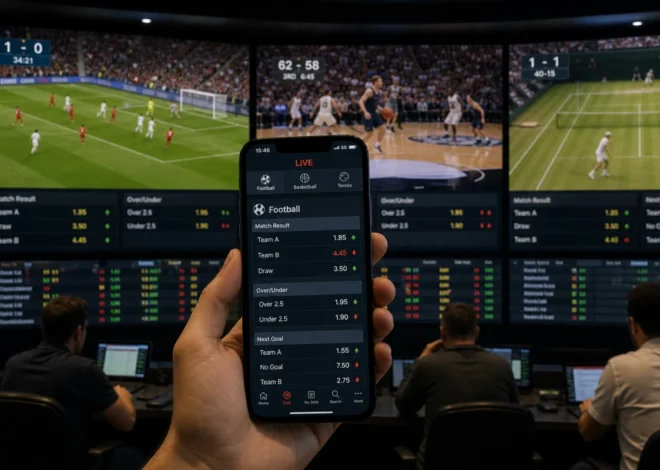
Live betting flips pre-match assumptions on their head. Instead of forecasting an entire event from pregame stats, you react to what actually unfolds: momentum swings, substitutions, weather changes, and referee decisions. Because odds change continuously during play, you can find value by timing bets when markets lag behind reality. To do this effectively, you need to understand which moments matter and how to read in-game signals quickly.
Recognize high-impact moments and triggers
Not every event merits immediate action. Learn to prioritize triggers that reliably change win probabilities:
- Momentum shifts: a dominant 10-minute spell or a sustained scoring run that forces the opposing team’s tactics to change.
- Personnel changes: substitutions, red cards, or injuries that alter team structure or pace.
- Game-state incentives: a team that must attack late to equalize, creating more space for counters or overs.
- Environmental or officiating changes: sudden weather, VAR decisions, or a lenient/strict referee affecting foul-based betting markets.
When you spot one of these triggers, ask whether the exchange’s odds reflect the new reality. If the market underreacts, that’s a moment to act; if it overreacts, you may find contrarian value.
Set up the tools and processes that let you act faster and smarter
Successful live betting depends on speed, data, and discipline. Before you place your next in-play wager, make sure you have a workflow that reduces latency, minimizes decision friction, and preserves bankroll control.
Technical and data essentials
- Use low-latency platforms: pick bookmakers and exchanges known for rapid price updates and minimal streaming delay.
- Stream and compare: where possible, watch the event on a live feed while monitoring the odds—being aware of any broadcast delay will help you judge the true market state.
- Data feeds and trackers: utilize live statistics (possession, shots on target, dangerous attacks) from reliable providers to quantify momentum rather than relying on gut feeling.
- Odds comparison tools: run multiple books in parallel to capture the best price; a small edge across many bets compounds quickly.
Process design and bankroll safeguards
- Predefine entry and exit rules: write simple rules for when you’ll enter a live market and when you’ll hedge or cash out.
- Use staking limits: cap your stake size relative to remaining bankroll and to the volatility of the market you’re entering.
- Keep a rapid-decision checklist: a two- or three-point checklist (trigger present, odds value, stake within limit) prevents impulsive mistakes.
- Log decisions: track why you placed each live bet and the outcome so you can refine timing and tool choices over time.
With an eye for meaningful triggers and a toolkit that reduces lag and protects your bankroll, you’ll be ready to convert in-play information into consistent edges. Next, you’ll learn specific tactical plays and timing techniques that exploit those edges in common sports markets.
Timing techniques: when to strike — and when to wait
Timing is the difference between a sharp, repeatable edge and costly impulse. In live markets, the best trade is often the one you don’t make. Use these timing heuristics to avoid noise and capture meaningful moves.
- Wait for confirmation, not just a signal: if a team looks dominant but hasn’t converted chances, pause for one of these confirmations — a clear expected-goals (xG) swing from a trusted feed, a sustained sequence of shots on target, or a pressured defensive substitution — before committing significant stake.
- Trade volatility windows: predictable stoppages produce price dislocations. Examples include the first 3 minutes after kickoff (where markets settle), the five minutes following a red-card, halftime when books reprice, and the minutes after a goalkeeper substitution. These windows can offer sharper lines or better hedging opportunities.
- Use the “reaction lag” rule: exchanges and small bookmakers often trail larger markets by a few seconds. If you detect a price move on the main market and secondary markets haven’t caught up, a small, fast-sized bet can capture value — but size it prudently to manage execution risk.
- Don’t chase reversals: when odds swing hard against you, pause. Markets can overreact; waiting for a stabilization period (30–90 seconds in most sports) reduces the chance of entering on a volatile whipsaw.
Tactical plays across popular markets
Different sports and markets reward different live strategies. Below are concrete plays that fit common in-play dynamics.
- Soccer — “Lay the draw” and overs: early defensive setups often underprice the chance of a late opening. If one team begins to dominate possession and create multiple big chances, laying the draw (or backing over 1.5/2.5 goals) when the market still favors a low-scoring outcome can be profitable. Conversely, when a trailing team pushes late, back overs or both-teams-to-score (BTTS) as space opens.
- Basketball — exploit momentum runs and fouls: use short, multiple small stakes during runs (parlaying short-term leads on quarter markets). Also monitor foul trouble: a key player accruing early fouls significantly raises opponent scoring efficiency — an angle for quick-timeout hedges or halftime reversals.
- Tennis — serve-direction and break-point pressure: after a player faces multiple break points and saves none, their serve win-probability declines. Back the returner on the next game in low-variance markets. Conversely, when an underdog repeatedly wins quick service games, capture inflated winner odds before market adjustment.
- American football — drive-based betting: bet on over/unders or next-score markets right after a turnover or big defensive stand. Field position and clock management make the next-drive outcome more predictable than full-game lines immediately after sudden possessions shift.
Hedge, scale, and exit: managing live positions
Placing a bet is only half the skill set — managing it dynamically makes it profitable. Apply rules that dictate when to scale in, hedge, or exit entirely.
- Scale in/out by conviction: start with a planned base stake and add only if additional in-play evidence appears (e.g., another key chance, substitution confirming fatigue). This prevents overcommitting to early, noisy signals.
- Use proportional hedging: if your position grows in value, lock in a portion of profits with a hedge sized to your remaining exposure, not the original stake. For example, hedge enough to guarantee a target return while leaving a fraction to run for upside.
- Stop-loss rules for live trades: set a clear maximum adverse move (time- or price-based) after which you close. In fast markets, a 30–60 second reassessment window reduces emotional holding and preserves bankroll.
- Practice order tactics: when cashouts are poor, use opposite-side small bet placements across multiple books to approximate a hedge; this can be faster and cheaper than platform cashouts if you know the liquidity landscape.
Quick live-bet checklist
- Confirm streaming/odds latency is acceptable before acting.
- Validate the trigger with at least one data point (xG, shots, foul count).
- Check multiple books for the best price and liquidity.
- Stake only within pre-set limits and set a stop-loss or hedge point.
- Log the decision immediately — note why you acted and the outcome.
Executing with discipline: the final note
Live betting rewards process more than bravado. Treat each in-play decision as a testable trade: keep rules simple, act when evidence aligns with your checklist, and accept small, frequent feedback rather than chasing large, emotional wins.
Invest in reliable inputs and continuous learning. Subscribe to reputable live data providers such as Opta or use established exchange feeds to reduce information lag and improve decision quality. Over time, your best edges will come from tightening execution — faster inputs, cleaner rules, and disciplined sizing.
Finally, protect your long-term ability to play. Set firm bankroll boundaries, schedule breaks after losing stretches, and prioritize responsible play. When the process is stronger than the outcome, the results will follow — and you’ll be prepared to exploit the next genuine in-play opportunity.